


By Ben Worley - 10 minute read
Fly tying thread is easy to overlook. It is often the least visible material in a finished fly, yet it controls how securely materials are held, how much bulk builds on the hook and how neatly the fly can be finished.
Choosing thread by colour alone can lead to frustration. Size, material, filament construction, twist, stretch and strength all affect how a thread behaves at the vice. There is no single thread that is best for every fly, but a small, well-chosen selection will cover almost every tying situation.
Thread is the foundation of most flies. It secures materials, creates underbodies, shapes tapers and forms the final head. The correct thread gives you control without unnecessary bulk; the wrong one may snap, cut materials or produce an oversized body.
Your thread choice affects:
Fly tying threads are commonly described using denier, an aught size such as 8/0, or a manufacturer's own scale. This can make direct comparisons difficult because the systems do not always measure the same thing.
Denier is a measure of linear mass: the weight in grams of 9,000 metres of fibre. In practical fly tying terms, a lower-denier thread is generally finer and a higher-denier thread is generally heavier. However, denier describes weight rather than exact diameter or breaking strain, so two threads with the same denier can still behave differently if they use different materials or filament structures.

The traditional aught system is useful within a manufacturer's range, but it is not fully standardised across brands. A 12/0 thread from one manufacturer may be similar in diameter to another brand's 14/0 or 70-denier thread.
Use the label as a guide, then consider the thread's actual diameter, strength, flatness and intended use.
| Approximate size | Typical use | Main consideration |
|---|---|---|
| 10D–30D GSP | Tiny dries, midges and slim nymphs | Very fine but exceptionally strong |
| 50D–70D | Dry flies and general trout flies | Low bulk with useful control |
| 105D–140D | Nymphs, wet flies and medium streamers | Good general strength |
| 210D and above | Large streamers, predator and saltwater flies | High grip and durability |
These are broad guidelines rather than fixed rules. Hook size, tying pressure and material type matter just as much as the number on the spool.
Most modern fly tying threads are made from several extremely fine filaments bundled together. Filament count describes how many individual strands form the finished thread.
A thread made from many fine filaments can often be flattened into a ribbon-like shape, spreading pressure across the hook and reducing bulk. It may also be split with a needle so dubbing or other fibres can be inserted directly between the filaments.
A thread with fewer or more tightly twisted filaments tends to feel rounder and more cord-like. That can provide grip and abrasion resistance, but it may create bulk more quickly.

Two threads with the same number of filaments may still differ because of filament thickness, material, twist and coating. Filament count is best considered alongside denier, breaking strain and whether the thread is designed to lie flat or remain corded.
Flat thread spreads across the hook shank, making it useful for slim bodies, smooth underbodies and delicate heads. It is particularly valuable on small dry flies, buzzers and competition nymphs where every wrap affects the finished profile.
Most multi-filament threads can be flattened by allowing the bobbin to spin in the appropriate direction. The direction depends on whether you tie clockwise or anticlockwise and how the thread was wound onto the spool.
Importantly, unravelling the thread allows it to be split to form dubbing loops.
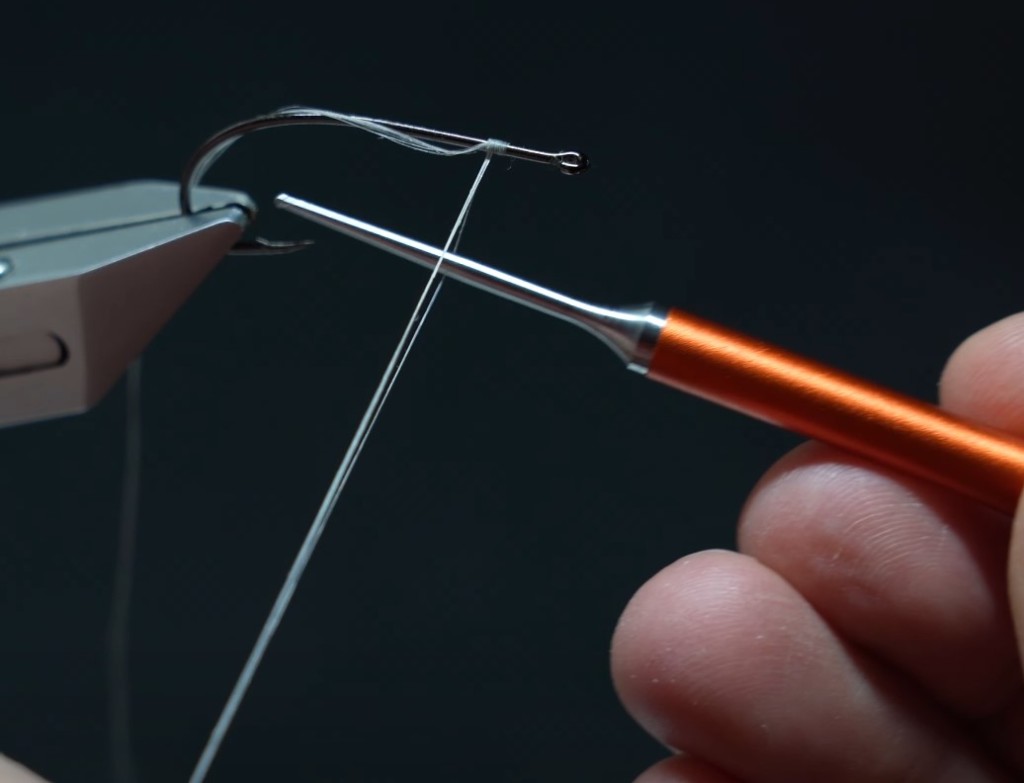
Adding twist brings the filaments together into a tighter cord. This creates a narrower contact point and can improve grip when securing hair, foam or slippery synthetics. A corded thread is useful when strength and material control matter more than creating the flattest possible body.
Remember that a highly corded thread can cut delicate materials more easily because the tying pressure is concentrated over a smaller area.
Nylon is widely used because it is smooth, strong for its diameter and usually has a degree of stretch. That slight elasticity can make it forgiving when materials compress or move under tension.
Nylon is a good choice for general trout flies, dry flies, nymphs and wet flies. Waxed nylon also grips materials well and helps secure finishing knots.

Use nylon when:
For a fine, versatile option, see The Fly Smith 52D Waxed Nylon Thread. For familiar denier sizing, compare UTC Ultra Thread 70 Denier and UTC Ultra Thread 140 Denier.
Polyester is durable, colourfast and generally has less stretch than nylon. It handles consistently and is commonly used for general tying, streamers and patterns that need reliable thread tension.
Use polyester when:
GSP stands for gel-spun polyethylene. It offers exceptional strength for its diameter and very little stretch. This allows a tyer to use a remarkably fine thread while applying substantial pressure.

GSP is ideal for spinning and compressing deer hair, tying strong streamers, securing bulky synthetics and producing slim but durable flies. Its strength must be treated with care: fine GSP can cut foam, hair, delicate feathers and even skin if excessive pressure is applied.
Use GSP when:
Choose the size to suit the job. The Fly Smith Super Fine 10D GSP and 20D GSP suit extremely slim work. 32D and 52D Colourfast GSP provide versatile strength, while 105D Colourfast GSP is better suited to larger or higher-pressure patterns.
Silk remains important in traditional wet flies, North Country spiders and classic salmon flies. It produces smooth, slim bodies and can become beautifully translucent when waxed or varnished.

Silk does not offer the strength-to-diameter ratio of GSP and requires more care, but its appearance and traditional handling qualities are difficult to reproduce with synthetics.
Use silk when:
| Material | Strength for diameter | Stretch | Best uses | Main caution |
|---|---|---|---|---|
| Nylon | Good | Moderate | General trout flies, dries and nymphs | Can cut materials under heavy tension |
| Polyester | Good | Low to moderate | General tying and streamers | Varies considerably by construction |
| GSP | Exceptional | Very low | Deer hair, strong streamers and slim high-strength flies | Can cut materials and fingers |
| Silk | Moderate | Moderate | Traditional wet and salmon flies | Requires careful tension and may need waxing |
Use a fine thread that lies flat and creates minimal build-up. Fine nylon is forgiving, while 10D–30D GSP gives exceptional strength for extremely small hooks. Use lighter tension with GSP to avoid cutting delicate materials. We highly recommend The Fly Smith Super Fine 10D GSP and 20D GSP.
A thread around 50D–70D, or the equivalent within a manufacturer's range, covers many dry flies, wet flies and small nymphs. This is usually the most useful starting point for a beginner.
Flat-laying thread helps build smooth tapers and slim bodies. Choose a fine thread for thread-bodied buzzers, or move to 70D–140D when securing beads, wire, lead-free underbodies and thicker materials.
Use a stronger thread with enough grip to control hair, flash and synthetic fibres. Medium GSP, polyester or heavier nylon works well. The hook size and material volume should determine the final choice.
GSP is usually the best option because it can apply the pressure needed to spin and compress hair. A 100D-plus thread is useful for larger bass or predator patterns, while finer GSP can handle smaller muddler-style flies.
Durability and material control are priorities. Strong Fly Smith 105D Colourfast GSP or heavy polyester is normally more useful than ultra-fine trout thread. Use broad, flat wraps where possible to avoid cutting foam and synthetic materials.

Silk is ideal when tradition and visible body colour matter. Fine nylon or polyester can be used for modern working flies where durability and convenience take priority.
Modern Perdigon patterns rely on a slim profile, controlled taper and durable finish to help them sink quickly and remain effective after repeated use. Twisted Perdigon threads are designed to form the visible body of the fly, with their tightly wound construction producing natural segmentation without the need to add a separate ribbing material.

A useful approach is to secure the tail and build the basic taper with a fine tying thread before winding the twisted body material forwards in close, even turns. The finished body can then be coated with a thin layer of UV resin to create the smooth, hard-wearing finish associated with Perdigons and other competition-style nymphs.
The Upavon Nymph-it range is particularly well suited to this technique. Its twisted construction makes it easy to produce consistent segmented bodies while keeping unnecessary bulk to a minimum. The range includes different finishes for natural imitations, subtle flash and brighter trigger-point patterns: Upavon Copper Nymph-it, UV Nymph-it & Metallic Nymph-it.

For the cleanest result, wind Nymph-it over a smooth underbody, avoid overlapping the turns and apply only enough resin to seal the material. This preserves the segmented appearance while creating a durable body that sinks efficiently and maintains its shape.
Thread colour can be hidden, blended into the body or deliberately used as a trigger point. A bright collar behind the bead can create a hotspot, while a dark thread under translucent dubbing can add depth and contrast.
White or pale thread is useful beneath light or fluorescent materials because dark thread can dull the finished colour. When applying UV resin over a thread body, remember that the resin often makes the thread appear darker and more saturated.
Wax adds grip, helps dubbing adhere and can improve knot security. Waxed thread is useful for general tying and materials that tend to slip. Unwaxed thread may flatten more freely and is often preferred when creating very smooth bodies or when the tyer wants to apply a particular wax separately.
The amount and type of wax varies between brands, so the label alone does not tell you exactly how the thread will behave.
Heavy thread builds bulk quickly, particularly around the eye. Start with the finest thread that gives enough strength and control for the pattern.
Most wraps only need enough tension to position or secure the material. Reserve maximum pressure for locking materials down. Constant heavy tension increases breakages and can cut foam, feather stems and hair.
Your bobbin adds or removes twist as it circles the hook. Learn to spin the bobbin deliberately so the thread lies flat when building bodies and becomes corded when extra grip is required.
A general-purpose spool is useful, but tiny dries, deer hair bugs and large predator flies have very different demands. Keeping fine, medium and heavy options on the bench makes tying easier.
Loose spools become dusty, tangled and difficult to identify. A dedicated organiser such as the Upavon Thread Spool Storage Box keeps sizes and colours visible and protected, you also receive a free spool of thread!

GSP generally offers the greatest strength for its diameter. The strongest choice is not always the best choice, because excessive strength can cut delicate materials and reduce feel at the vice.
Not necessarily. Aught sizes are not standardised between manufacturers, while denier measures fibre weight rather than exact diameter. Treat comparisons as approximate unless the manufacturer provides detailed specifications.
A fine-to-medium general-purpose nylon or polyester thread is the most forgiving starting point. Add fine GSP for small strong flies and heavier GSP once you begin tying deer hair or predator patterns.
Yes, when its strength-to-diameter ratio solves a genuine problem. It is excellent for small strong flies, deer hair and large streamers, but may be unnecessary for ordinary trout patterns where nylon provides better feel and forgiveness.
Common causes include excessive tension, a damaged bobbin tube, a sharp hook point, abrasion against the hook eye or using a thread that is too fine for the material. Check the equipment before assuming the thread is faulty.
No. A thread may be too tightly twisted, bonded or coated to split easily. Flat, lightly twisted multi-filament threads are normally the easiest to split.
The best fly tying thread is the one that gives enough strength and control without adding unnecessary bulk. Denier helps compare weight, filament construction affects flatness and splitting, and the base material determines strength, stretch and handling.
Use fine flat thread for delicate flies, medium nylon or polyester for general tying, GSP where maximum strength is required and silk for traditional patterns where appearance matters. Once you begin matching thread to the fly rather than reaching for the same spool every time, tying becomes neater, quicker and more consistent.
Explore the Upavon range of fly-fishing and fly-tying products before your next session. Enter discount code WELCOME10 at checkout to apply the available welcome offer.
Leave a comment