


By Ben Worley: 10 minute read
Hot weather can transform a productive river, lake, reservoir or stretch of coastline almost overnight. Fish may become less predictable, feeding windows can shorten and familiar areas can suddenly feel empty. That does not necessarily mean the fish have stopped feeding. More often, they have changed when they feed, where they hold and how much energy they are prepared to spend chasing food.
The most successful approach during warm conditions is not tied to one species or fly-fishing discipline. It is based on reading the water, adjusting your timing, controlling your depth and making each presentation as efficient as possible. Some fish, such as Trout, are less tollerant of higher temperatures and so will move to more comfortable depths and feed more sporadically. Understand the fish behaviour and unlock the secret to catching in hot weather.
As water warms, fish often have to balance an increased need for energy with reduced oxygen availability and the physical stress of higher temperatures. Their behaviour can change quickly, particularly in shallow, still or slow-moving water.
Rather than moving freely throughout the day, fish may concentrate around cooler, shaded or better-oxygenated areas. They can also become more selective about when they feed and less willing to chase a fast-moving fly over a long distance.
This basic principle applies across many environments. The exact holding places will vary, but the clues are similar: cooler water, greater depth, moving water, shade, structure and access to food.
During prolonged warm weather, timing can be more important than fly choice. A short, well-timed session may produce more action than an entire day spent fishing through the brightest and hottest conditions.
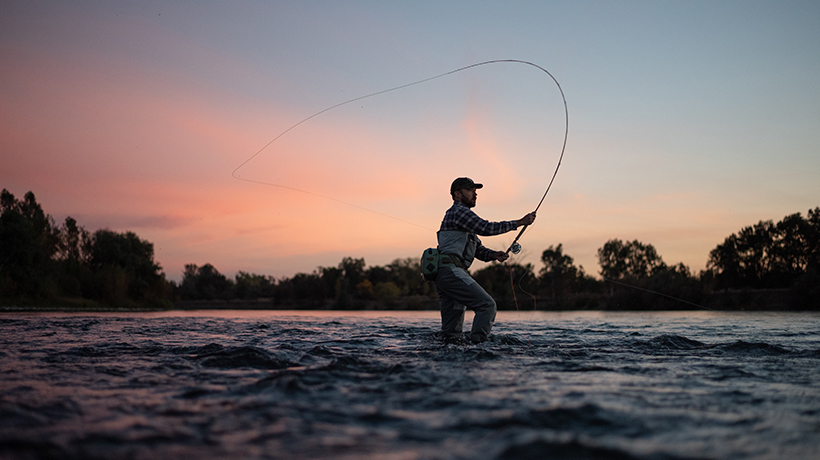
The first few hours after sunrise are often the most dependable. Water has had time to cool overnight, light levels remain low and fish may feed confidently before temperatures rise again.
Arrive early enough to be ready before the first obvious signs of activity. Quiet preparation matters, particularly where low water and clear conditions make fish easier to disturb.
As the sun drops and surface temperatures begin to ease, fish may move out of deeper or shaded holding water. Evening insect activity, baitfish movement and reduced bankside disturbance can all create a productive feeding window.
Do not assume the best fishing begins at a fixed time. Watch the light, wind, water movement and natural food rather than the clock alone. Last light can often be the magical hour, so don't be tempted to throw in the towel early, particularly when fishing rivers.
Cloud cover can reduce glare and slow the rate at which shallow water warms. A light wind can disturb the surface, improve cover and move food into feeding lanes. Even during a hot spell, a change in weather can briefly create excellent fishing. Check the weather in advance and choose days with favourable conditions to maximise your chances. I use the Windy App which provide extremely accurate wind, tide and weather forecasts.
Fish are unlikely to remain in the same places throughout a warm day. When familiar water stops producing, think about what the fish need rather than repeatedly covering the same area. But be aware, particularly in reservoirs the fish will often move up and down the depths throughout the day, often coming up to feed and returning to the depths. Often these fish are easier to catch deeper even though your see them rising.

Useful places to investigate include:
Depth alone is not always the answer. A shallow area with moving, oxygenated water may hold more active fish than a deeper but stagnant section. Treat depth, flow, shade and food as connected clues. Reading and understanding the water is a skill worth developing.
One of the most common mistakes in hot weather is fishing at the depth that worked earlier in the season. Bright sunlight and rising surface temperatures can push fish lower in the water column, whilst low light may bring them back towards the surface.
Start with a clear plan for covering different depths. Change one element at a time so you understand what has made the difference. You might alter leader length, fly weight, line density or the time allowed for the fly to sink. On rivers don't be scared to fish smaller size 16-20 nymph on long leaders to dead drift them mid water, this can be a lethal method on its day.
If you're unsure consider leaders, flies and line densities that allow you to search through the layers, refining once you've found the right depth. The Airflo Sixth Sense Sweep lines are perfect for this, or the addition of a sinking poly leader to a floating line fished slowly can also work well.

A floating line and longer leader can provide a delicate presentation during early morning, late evening or periods of obvious surface activity. Keep false casting to a minimum and avoid lining fish in clear water. I find that line mud, or fullers earth makes more difference than many realise, reducing line glare and increasing takes.

An intermediate line, hover-style line or lightly weighted fly can help maintain a controlled path through the middle layers. This is often more effective than allowing a heavy fly to drop quickly below the fish.
Sink-tip or sinking lines, weighted flies and longer countdowns can reach deeper holding areas. The important point is not simply to use heavier equipment, but to keep the fly in the productive depth for as much of the retrieve or drift as possible. If you want to get real down and dirty and leave nothing to chance I recommend the Airflo Booby Basher or the Cortland Compact Di9, both are a shooting head type line with intermediate running lines allowing for longer and deeper casts. Absolutely a reservoir essential for the height of summer and depths of winter.
Warm-water fish may still feed, but they are not always willing to chase. A fly that moves too quickly can pass through the taking zone before a fish decides to commit.
Try slower retrieves, controlled pauses and smaller movements. On moving water, improve the drift and reduce drag. On stillwaters or in saltwater, allow the fly time to settle into the correct depth before starting the retrieve.
A slow presentation does not have to be lifeless. Short pulls, subtle twitches and deliberate pauses can suggest vulnerable prey without demanding a long chase.
Top tip - Have confidence in fishing absolutely static on stillwaters, this is my most productive method after fast sinking lines.
Summer often provides plenty of natural food, but fish may focus on one particular size, depth or movement. Spend a few minutes observing before changing flies repeatedly.
Look for:
Matching behaviour is often more valuable than creating a perfect visual imitation. A fly presented at the correct depth and speed will usually outperform the right pattern fished in the wrong place.
Hot weather does not automatically require lighter tackle. The best setup is one that presents the fly naturally and lands fish efficiently.
Longer leaders can help in clear, calm water, whilst finer tippet may improve presentation where fish are cautious. However, going too light can prolong the fight and increase stress. Use the strongest practical tippet for the situation.
On stillwaters I would offer that line selection and retrieve are the 2 most important factors, as the fish are likely to mostly be found at one particular depth. The key is ensuring your flies are presented at that depth for as much of the retrieve as possible.


A useful warm-weather selection might include:
Carry enough options to adapt, switch and change until you get results. Think in 3D.
Bright conditions can make fish feel exposed. Shade and structure provide security as well as access to food. Cast alongside weed lines, rocks, submerged features, overhanging cover and changes in depth rather than automatically targeting open water.
Current seams, tidal edges and wind lanes can concentrate food. Position the fly so it travels naturally along these routes. Often the difference between a follow and a take is simply keeping the fly in the feeding lane for another second.
Low, clear water makes poor watercraft much more costly. Fish may detect vibration, shadows and repeated casting long before they see the fly.
Approach quietly, remain low where practical and use the available cover. Study the water before making the first cast. When fish are concentrated into smaller areas, one accurate presentation is worth far more than a dozen rushed casts.
Move carefully between likely holding areas rather than continuously covering empty water. Hot-weather fishing often rewards patience and observation more than distance.
Warm water can increase the stress of capture. Prepare before the fish reaches the net so handling is brief and controlled, keep your hands and the fish wet!
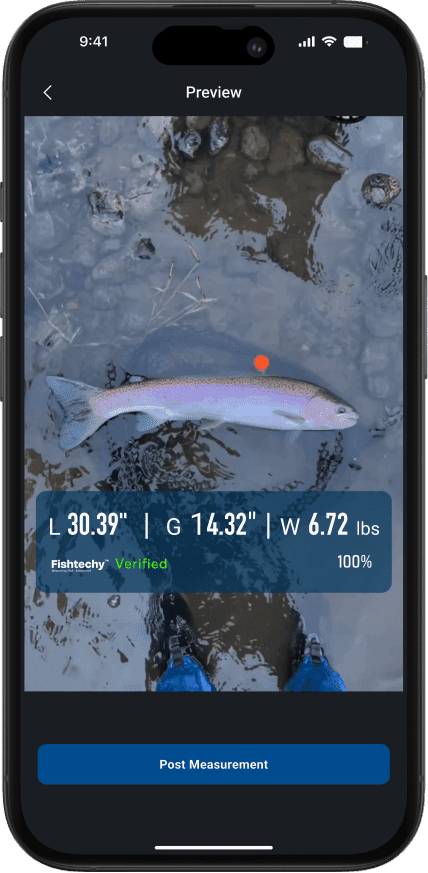
Consider using a Fishtechy Proof Ball to measure or weigh fish to avoid unnecessary handling and keep the fish in the water. It uses a smartphone app enabled by AI to recognise and capture the details of your catch.
Not necessarily. Feeding periods often become shorter and may move to cooler, darker or better-oxygenated parts of the day. Finding the correct window is usually more important than fishing for longer.
No. Fish often move deeper during bright, hot conditions, but they may use shallow moving water, shaded margins or the surface during low-light feeding periods. Let the water and fish activity determine the depth.
Early morning is frequently more productive because the water has cooled overnight and light levels are lower. Midday can still produce where there is depth, flow, shade, wind or a specific food source.
Often, yes. Slower retrieves and longer pauses can make the fly easier to take, but there are exceptions. Use changes of pace to identify whether fish want a vulnerable, steady or faster-moving target.
The biggest mistake is continuing to fish the same place, depth and presentation used in cooler conditions. Productive anglers adapt as light, temperature, water movement and fish behaviour change.

There are times when the most responsible decision is to stop. Different species and fisheries respond differently to warm water, so follow local rules, fishery notices and recognised species-specific guidance.
If fish appear distressed, take an unusually long time to recover or are concentrated in vulnerable refuge areas, consider ending the session or targeting a more suitable water. Catching a fish is never more important than protecting it.
Hot weather does not have to mean poor fly fishing. It does mean that timing, depth and presentation become more important. Fish early or late, search for cooler and better-oxygenated water, keep the fly in the correct depth and avoid asking fish to chase farther than necessary.
The anglers who succeed consistently in warm conditions are rarely relying on a secret fly. They are observing more carefully, changing tactics for a reason and recognising when conditions are no longer suitable for responsible fishing. Depth and timing are critical.
Don't fish if you think the fish may be distressed, otherwise ensure you minimise handling, fight them hard and give time for them to recover.
Explore the Upavon range of fly-fishing and fly-tying products before your next session. Enter discount code WELCOME10 at checkout to apply the available welcome offer.
コメントを残す